
Trust

For well over half a century, pollsters and academics have conducted countless studies in an effort to gauge our faith in our political institutions and leadership. “Do you trust or have faith in government?” “Does Congress work to advance the public or special interests?” Study findings are then distributed and amplified through our media ecosystem confirming what the majority of Americans already know: Americans have little faith in government.
But why the lack of trust? And do we lack trust at all times equally? What, if anything, can be done to restore confidence in our institutions and our representatives?
…the federal government may actually be the only institution Americans trust at all.
Despite these studies, an even superficial review of recent American history suggests that the federal government may actually be the only institution Americans trust at all. This may run counter to the well-worn narratives about ‘free market capitalism’ and anti-government rhetoric but if by trust we mean the ability to deliver positive results for society at large when it matters most, two chapters from our recent history should help bring us to a more nuanced understanding of the problem at hand.
The implosion of the US housing and financial markets in 2007/2008 precipitated the US economy into a severe recession which erased nearly 50% of the S&P 500, destroyed 15 million jobs and forced 10 million Americans from their homes.
There were clear signs throughout the second half of 2007 and the first half of 2008 that the US real estate market was contracting but, as they say, the ‘music was still playing’. The Great Crash of 2008 would eventually expose everything and everyone. The Emperor had no clothes. America had been swimming naked.
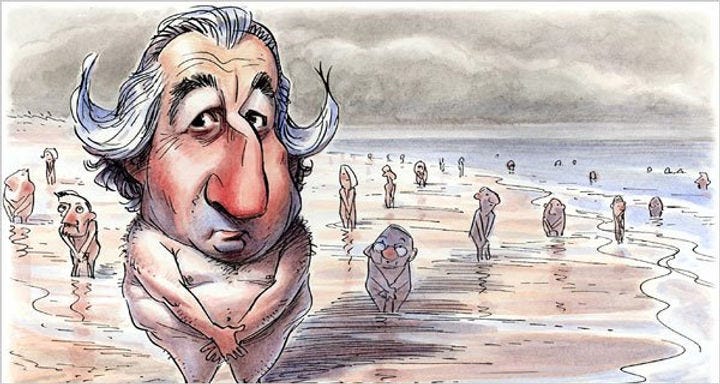
After years of easy-credit, bank consolidation, laissez-faire enforcement at the SEC, the complicity of ratings agencies and the commodification of modern housing, Wall Street finally collapsed under the weight of debt and deceit in October, 2008.
Reviving the historic role of Herbert Hoover, George W. Bush repeated throughout 2007 and 2008 that the ‘fundamentals of the US economy are strong’. Not to be outdone, Fed Chair Allen Greenspan, the primary architect of the deficit-busting, bubble-making, hot-potato economy, ‘reassured’ the markets that, yes, everything would be fine. These would be the last words of two discredited ideologues before the fall.
The blockbuster film The Big Short captured this moment well; the moment when hubris, fraud and conceit were forced to face reality.
“Average people are the ones who are going to have to pay for this, because they always, always do.”
Ultimately, all of the major Wall Street banks were bailed out – sorry, ‘recapitalized’ - by the US Treasury and the Federal Reserve Bank. Without massive federal intervention, sloppy though it was, no bank, no Fortune 500 company, no tech darling would have survived the Great Crash. The US economy would have collapsed, unemployment would have exceeded Great Depression levels, savings would have evaporated and social unrest – if not revolution – would have ensued. In short, the country was on the fast track to utter ruin.
Americans trusted Uncle Sam. Uncle Sam delivered.
Was government the problem now? Was this the time for ‘small government’? No, in this life-or-death crisis, all of America - every citizen, every business ‘leader’, every worker, every retiree in the country turned to the federal government for its very survival. Americans trusted Uncle Same. And Uncle Sam delivered.
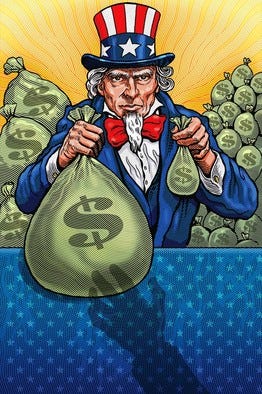
Throughout the crisis, I don’t recall any bragging of ‘rugged individualism’ by the CEO-hero class; no lesson-giving about ‘free markets’ from Think-Tankers in skinny suits or Ivy-league academics. However, once the Obama administration had stabilized the markets and given US industry a new lease on life, those at the top of the economic ladder reverted back to the same, tired tropes about the virtues of ‘free markets’.
Instead of publicly and repeatedly denouncing the major banks as welfare-queens, on-the-dole drug-addicts, incompetent hacks or criminals, Democratic leadership, with only a few exceptions, often congratulated Wall Street CEOs for their ‘stewardship’ during the crisis. After briefly showing its teeth, the Justice Department reverted back to form becoming, in the words of one writer, the ‘Chickenshit Club’. Corporate media, elite institutions and the political class conveniently pushed aside hard truths – and accountability - as the economy slowly emerged from the Great Recession. After all, it was time to get ‘back to business’….to ‘look forward.’
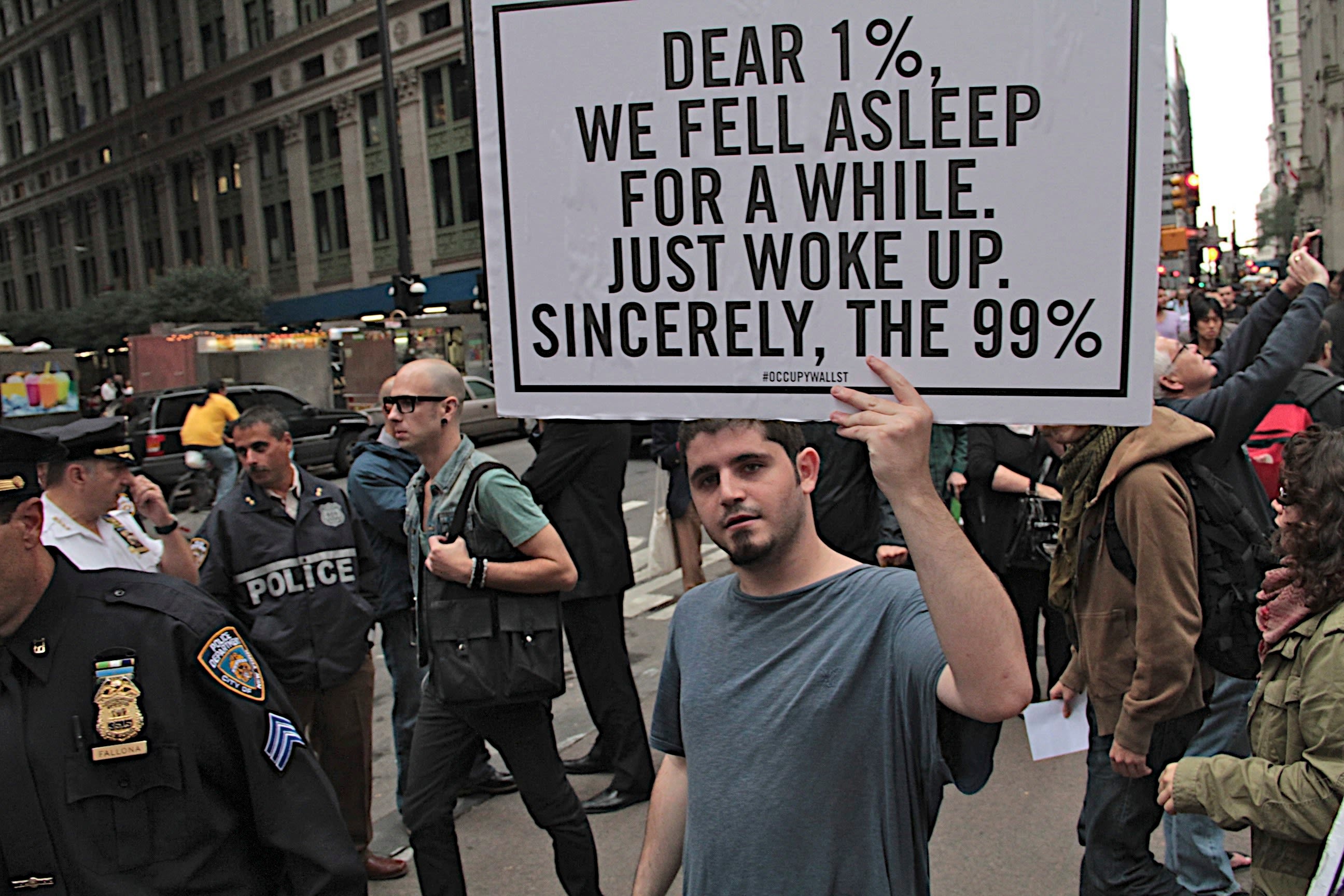
But not everyone bought this narrative. As the ‘Occupy Wall Street’ movement made clear, millions of working-class Americans, already squeezed by the NAFTA-induced deindustrialization of America, were now underwater, in debt, unable to retire or out of work. This America was enraged by the hypocrisy of a system which distributed billions to corporate America while serving ‘tough love’ to the rest of us. For this America, a return to ‘normal’ was a return to the unacceptable status quo.
As is customary in the face of mass social movements, corporate media immediately branded ‘Occupy Wall Street’ as a leftist, fringe movement destined to peter out. The ‘Occupy’ movement was indeed eventually forced to retreat but, while political leaders of both parties breathed a sigh of relief , they failed to understand that ‘Occupy’ – and, later, the Tea Party voiced the outrage of millions of Americans across the political spectrum who had not taken part in any public demonstrations.
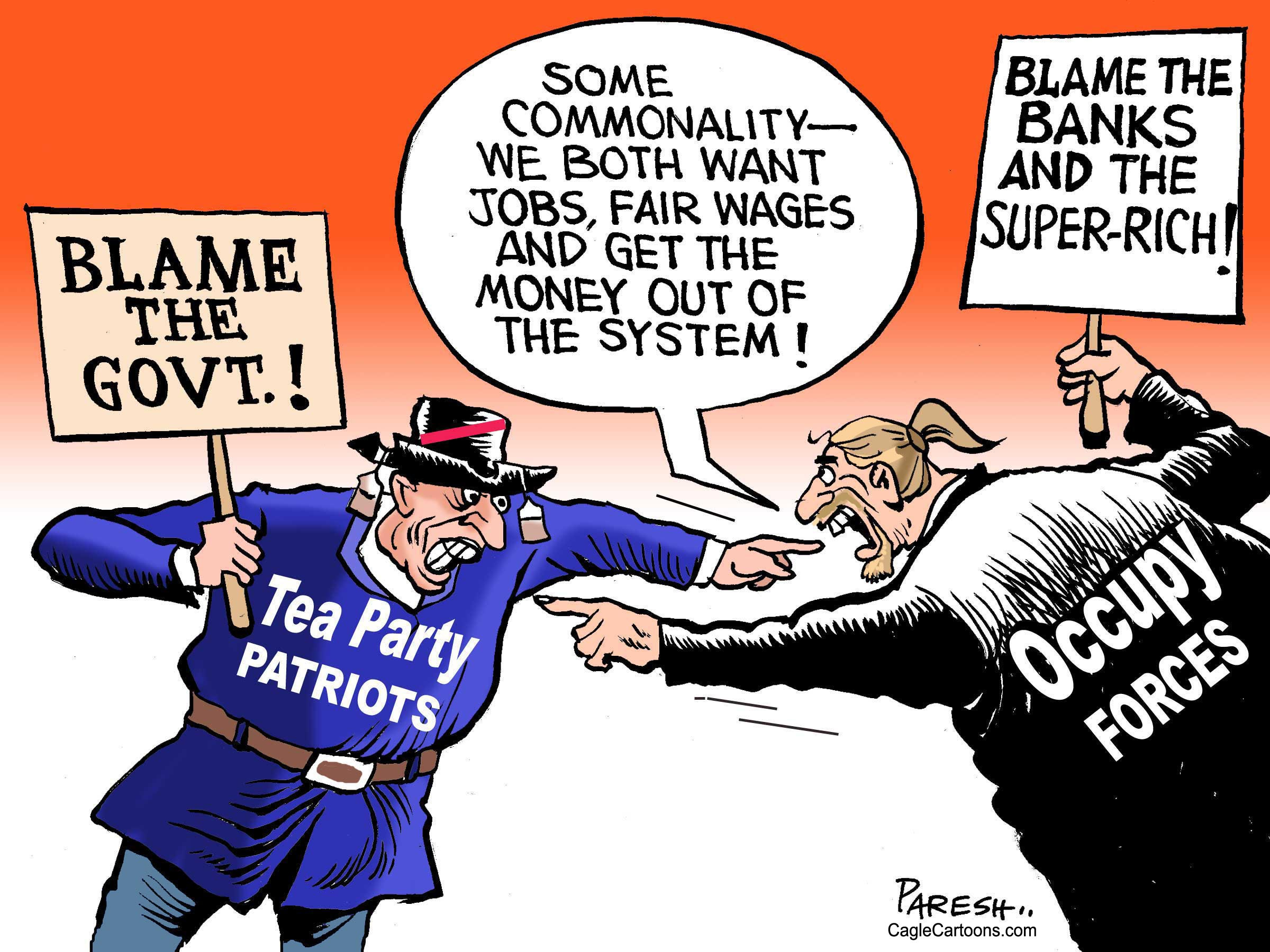
Instead of getting full credit for the recovery, President Obama came to personify elite-apologists, Wall Street-enablers and the sanctimonious purveyors of ‘tough love’. Fox TV and other right-wing outlets latched on and leveraged this narrative in order to present Democratic party as the party which offered ‘no-strings-attached’ bailouts for corporate elites while serving austerity economics to workers and homeowners.
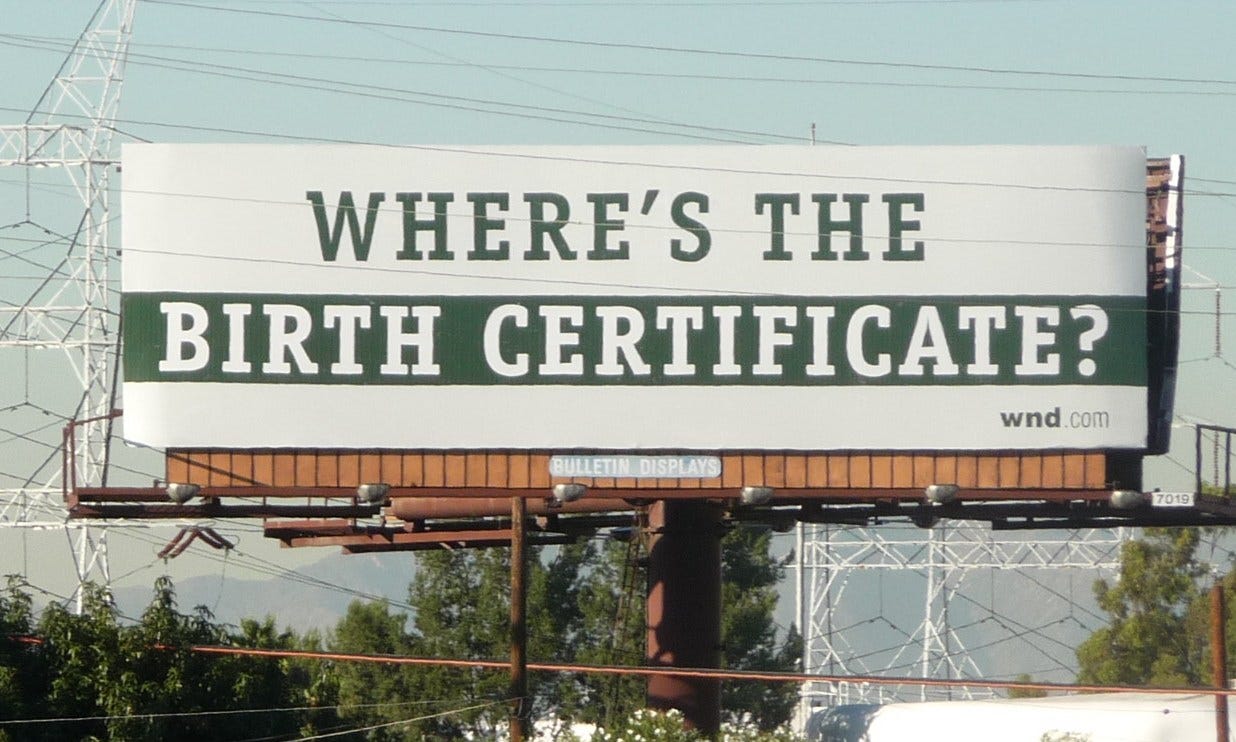
Donald Trump, then still a game show host, entered the fray by reminding Americans that President Obama was, well, black and that this, along with his name, suggested that he was not really American at all. Conspiracy theorists and the soft-headed fools who believe them had found their ‘truth’. The perfect storm was brewing. If many Americans struggled to make sense of this at the time, they could not help but conclude that something was terribly wrong with this picture.
To these Americans, trust had been broken.
This was the inflection point of contemporary America; a moment in which incompetence, injustice and immorality converged. Public opinion was shifting, working-class resentment was rising and hatred for ‘the elites’ was bringing the country closer to the tipping point of 2016.
It didn’t have to be this way. With greater courage and will, the White House could have put caps on CEO-salaries and bonuses on Wall Street, the Justice Department could have aggressively prosecuted white-collar crime, could have nationalized or broken up the banks, could have stopped the mass wave of foreclosures sweeping America and the vulture feeding that would enrich predators like Steve Mnuchin.
Instead, after a lot of huffing and puffing from Timothy Geithner whose stint at the Treasury Department seemed more like a four-year Wall Street job application, we ended up with an intentionally porous Dodd-Frank bill which was designed to appease public opinion without addressing the core problem – the extreme concentration of economic power. In typical fashion, the Democratic party declared Dodd-Frank a victory and moved on…..but to no applause.
It’s worth recalling that, only weeks after the Great Crash of 2008, millions of Americans went to the polls convinced that they were voting for a transformational, FDR-like president; a leader who would take on a fundamentally corrupt and unfair system. Why the FDR comparison? FDR was not afraid to take on the powerful economic and political interests of the 1930s in an aggressive and resolutely populist manner. FDR understood that economic collapse, if left unchecked, would lead to social chaos and the rise of fascism in America.
As in 1933, 2009 was not the time slow-motion politics, prevarication or half measures. President Obama understood the situation and had the intelligence and rhetorical skills to explain the crisis to the American public. But did he have the will to take on entrenched power? We would soon find out.
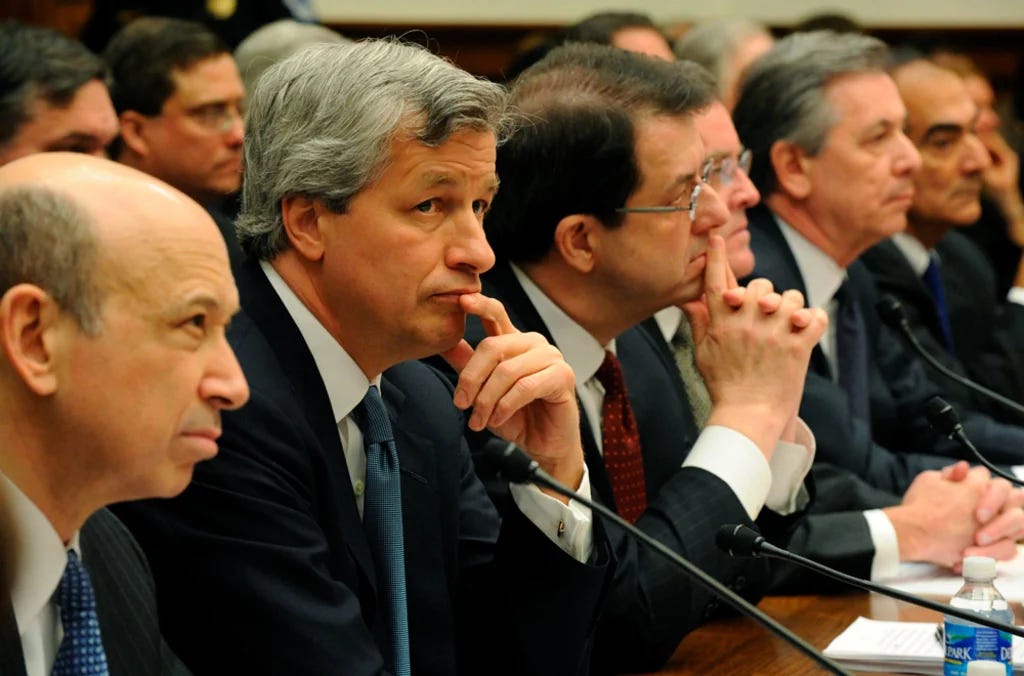
In the Spring of 2009, only a few short months since taking office, President Obama convened a meeting with Wall Street CEOs at the White House. Public opinion was understandably seething. Eager to diffuse the crisis yet unwilling to bring “violence to the social order”, Obama warned the bankers that his administration was ‘…the only thing standing between you and the pitchforks.’ At a time when Americans wanted and needed systemic change, Democrats proposed to trim around the edges. President Obama would play the role of the dutiful gardener ensuring, as Joe Biden might have mused, that ‘nothing would fundamentally change’.
And nothing did.
FDR was breaking the historic, bipartisan political establishment. FDR was not afraid to take on a ‘social order’ which had brought America to cusp of economic and political disaster.
Flashback: When FDR accepted the Democratic party’s nomination for re-election in 1936, the economy was still gripped by the Great Depression. Despite this, the country had confidence and hope in FDR’s leadership. This was not due to FDR’s charm and charisma alone. No, under FDR, the Democratic administration had focused all public, federal action toward the needs of what was then called the ‘common man’. FDR did not try to avoid conflict with Wall Street. On the contrary, FRD knew that Wall Street was the problem. FDR was breaking the historic, bipartisan political establishment. FDR was not afraid to take on a ‘social order’ which had brought America to cusp of economic and political disaster.
On the eve of the 1936 election, FDR delivered a speech at Madison Square Garden which left no doubt as to who was in charge, what was at stake, or who the ‘bad guys’ were. Roosevelt denounced "the old enemies of peace: business and financial monopoly, speculation, reckless banking, class antagonism, sectionalism…’. FDR was denouncing, with energy and bold language, the economic elite, which was mobilizing and leveraging all of its resources to oppose New Deal reforms. ‘Never before in all our history have these forces been so united against one candidate as they stand today. They are unanimous in their hate for me—and I welcome their hatred.’
As one of the true ‘bad asses’ of American history (Sorry, Zuck, Trump in not a badass!), Roosevelt took on entrenched economic power.
As one of the true ‘bad asses’ of American history (Sorry, Zuck, Trump in not a badass!), Roosevelt took on entrenched economic power. This almost never happens in American politics. As you listen to this short recording, try to imagine any Democratic president of the past half century speak with such force today – impossible!
FDR was not afraid, not prudent, not professorial. FDR had no time for clever ‘triangulation’. FDR was not worried about his ‘legacy’ or keen to preserve his chances of a corporate gig, sponsored library or rich book deal after leaving politics.
FDR was working to restore America’s broken trust.
It is today ironic that FDR, the one Democrat who fought a historic battle to reform and save a political system dominated by concentrated economic power, has been all but forgotten, relegated to the dusty pages of history by a Democratic party which has lost sight of its reason for being.
People and institutions with economic power will always seek to control, directly or indirectly, the levers of political power.
I realize that some readers will roll their eyes at this. After all, this is ‘ancient history’. The world has changed since then, I know. But if the study of history teaches us anything it is that, fundamentally, the rules of politics and power never change. Why? Because human nature never changes. People and institutions with economic power will always seek to control, directly or indirectly, the levers of political power. And when concentrated economic power dominates government it deepens inequalities, exacerbates class antagonisms and makes a mockery of the idea of justice. If left unchecked, this leads to social unrest, violence and, in some cases, revolution. This is the one immutable pattern throughout all history, regardless of country, society or culture.
The United States is not an exception. In fact, American history is nothing if not a condensed version of this struggle.
COVID PANDEMIC - UNCLE SAM TO THE RESCUE AGAIN
Though different in many ways, America’s recovery from the Great Pandemic of 2020 should help us reconsider the public trust. COVID was only a slightly different iteration of 2008.
As COVID-19 began to take root across America in early 2020, the cylinders of US economy started to sputter - fast. Indeed, by March 2020 the US economy had lost over 20 million jobs with unemployment reaching nearly 15% in April 2020. The economy was again in free-fall.
By the Spring of 2021, Congress responded by injecting over $5 trillion of public relief funds into the economy. This was the largest injection of federal money into the economy in American history.
Spoiler alert: It worked.
Under Donald Trump, the federal government provided emergency ‘socialized medicine’ to cover the costs of COVID related hospitalizations and services.
The federal government funded the discovery, and in a case of reverse socialism, PRIVATIZED the gains of the COVID vaccine. Under Donald Trump, the federal government provided emergency ‘socialized medicine’ to cover the costs of COVID related hospitalizations and services.
The government provided income relief to millions of unemployed Americans and prevented millions of children from falling into poverty through direct payments and tax credits. The federal government also intervened to save companies of all sizes through the wasteful but ultimately effective PPP program with billions of dollars of direct payments.
How many small and mid-sized businesses would have survived without this public support? How many families would have been destroyed? How many lives cut short?
This was not the invisible hand at work. It was the power of the federal government which rescued the economy and preserved the stability of American society.
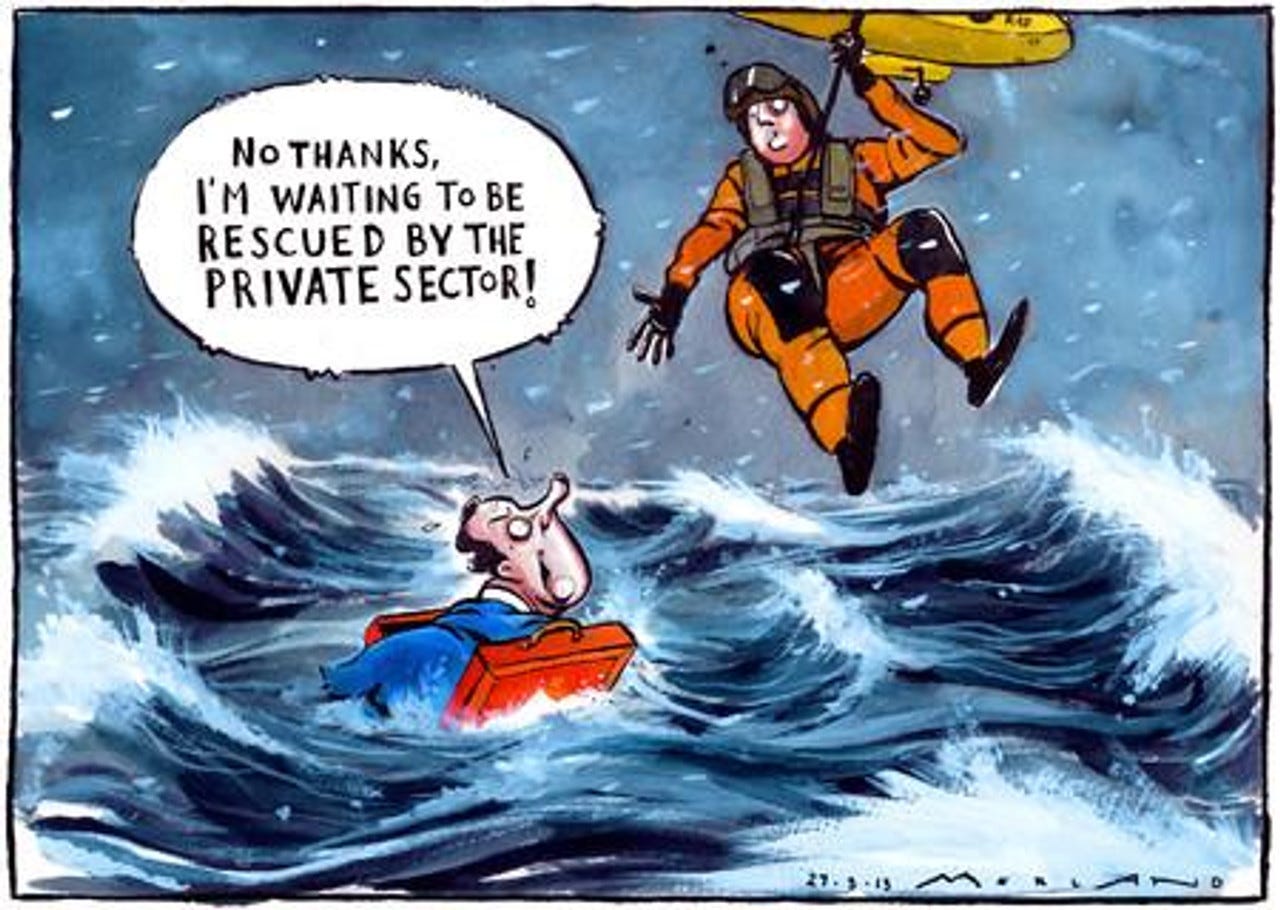
As in 2009, Wall Street plunged in March of 2020 and was saved yet again by massive intervention of Federal Reserve Bank. Indeed, the S&P 500 produced double digit growth in 2020 and 2021.
WALL STREET TRUSTED THE FEDERAL GOVERNMENT - BIGLY!
This was not ‘merit based’. This was Wall Street on life support. And what started as life support quickly became a direct upward transfer of wealth. These artificially induced gains would have been impossible without massive federal intervention.
Billionaires didn’t help. JP Morgan, Goldman Sachs, Amazon, Tesla, Facebook and Apple had nothing to do with this. The federal government not only saved corporate America, it lifted up business and flushed billions into the market for good measure. This was not the invisible hand at work. It was the power of the federal government which rescued the economy and preserved the stability of American society.
This is like the drunken sailor who, when plucked from the sea by a passing ship, tells the captain that he could have made it on his own.
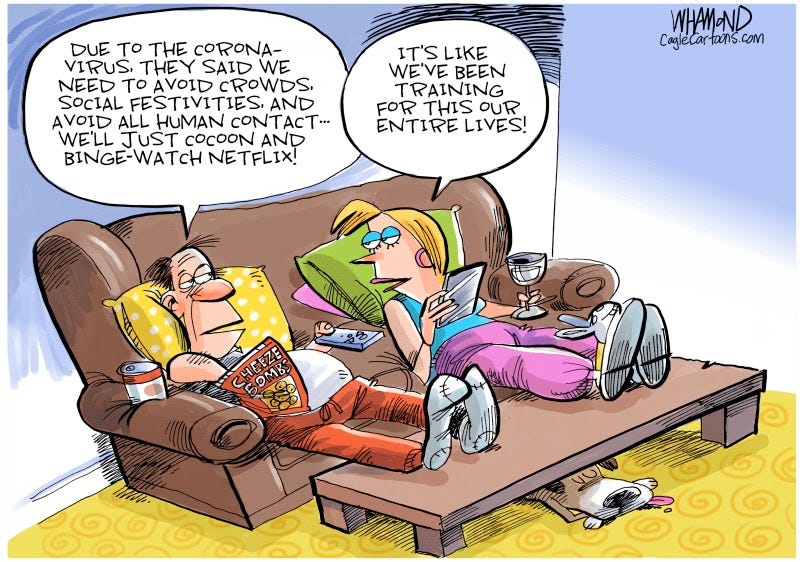
But that’s the problem. It is because we averted two depressions and flirted with disaster without an actual collapse that many Americans quickly forgot what had just happened. So, despite being saved by the federal government twice in two decades, Americans, safe at home binging on Netflix and home-delivered food, continued to tell pollsters that they ‘do not trust the federal government’. This is like the drunken sailor who, when plucked from the sea by a passing ship, tells the captain that he could have made it on his own.
If Donald Trump and the GOP have cornered the market on fear today, the Democratic party must rebuild the trust and inspire the hope that was once the hallmark of the progressive movement in America.
To avoid falling into collective amnesia or denial at the next crisis, future presidents should perhaps include public PERP walks for all corporate beneficiaries of federal bailouts in the future. Had President Obama done this during his first term in office, the procession of would have included the CEOs of Tesla, Goldman Sachs, Citibank, AIG, Ford and GM. Had Presidents Trump and Biden done this in 2020-2021, the line would have included nearly every company in the country.
Instead of pounding our chests and extolling the virtues of individualism or ‘American exceptionalism’, we should remind ourselves that America needs - and we all benefit from - strong collective action and leadership. In times of crisis, this leadership can only come from Uncle Sam. But we must always remind ourselves that, in the words of FDR ‘…government is ourselves and not an alien power over us. The ultimate rulers of our democracy are not a President and senators and congressmen and government officials, but the voters of this country’.
If Donald Trump and the GOP have cornered the market on fear today, the Democratic party must rebuild the trust and inspire the hope that was once the hallmark of the progressive movement in America.
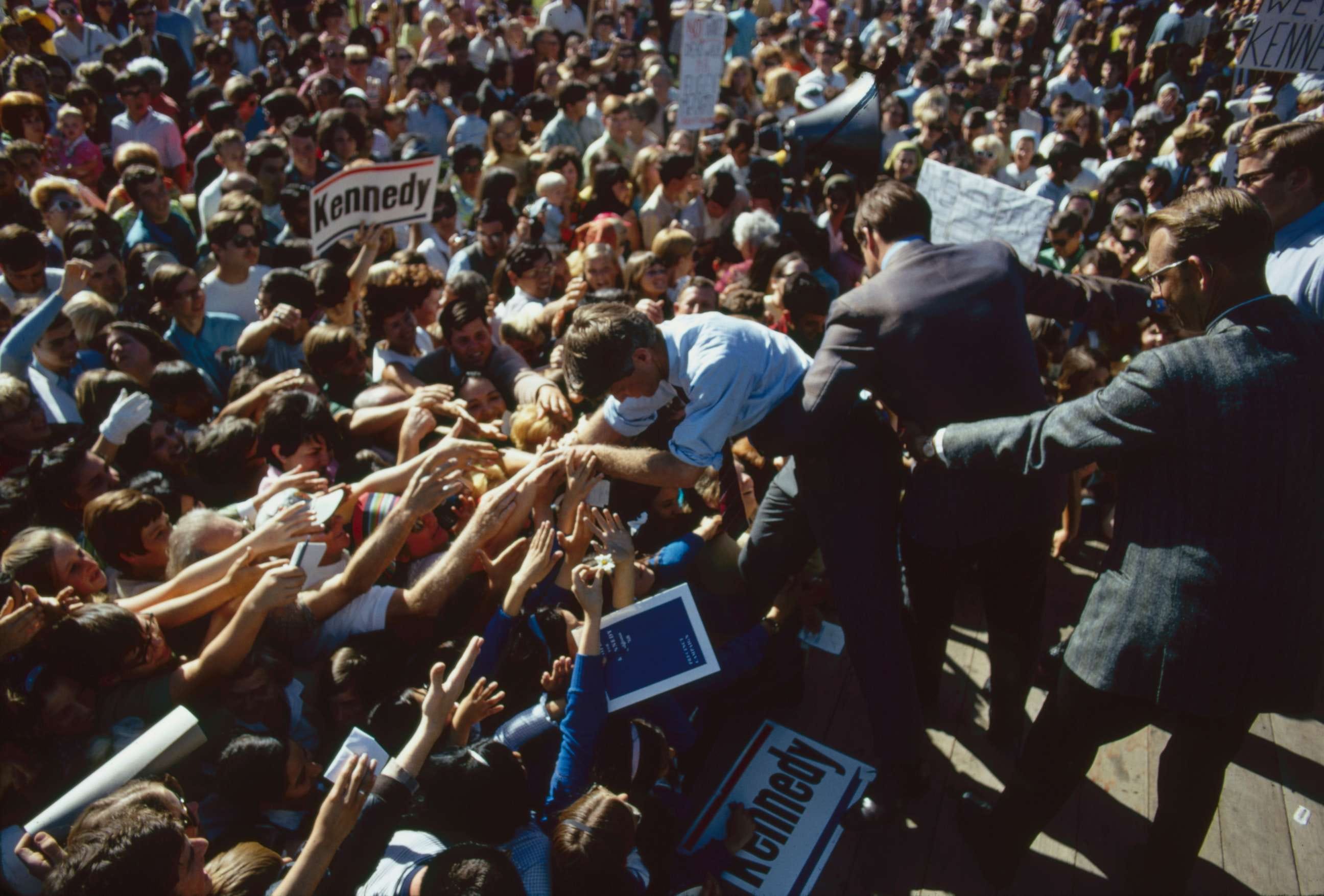
But this trust must be earned. Americans are hopeful, optimistic & pragmatic. The world is changing, new technologies and new challenges. Leadership must change with it.
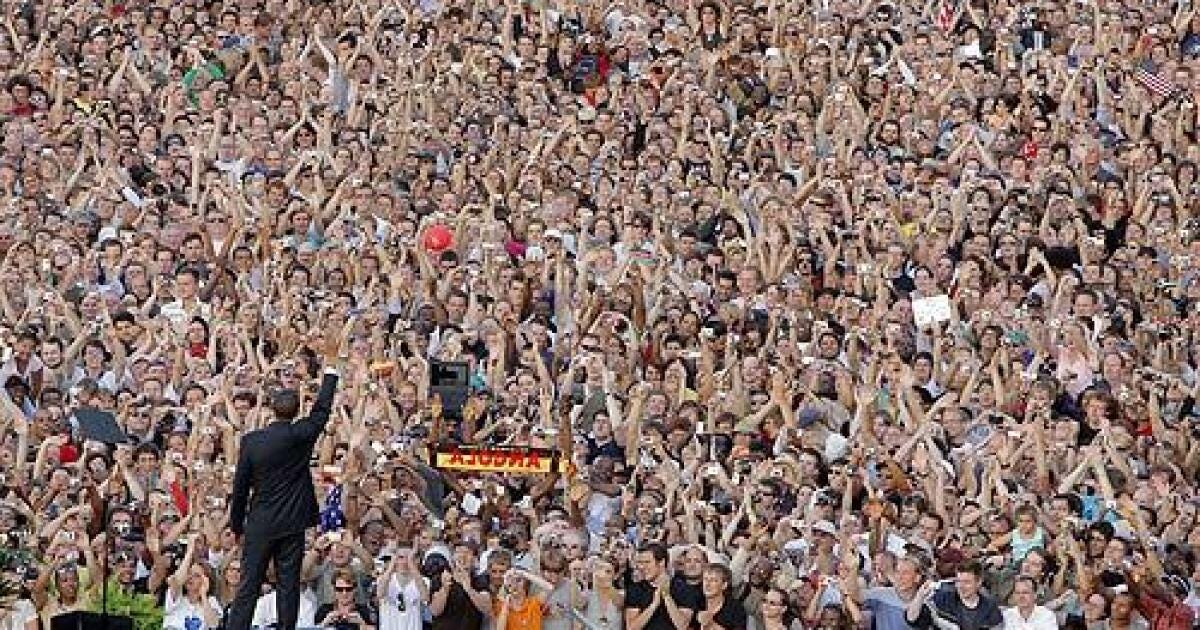
To have any hope of rebuilding public trust in government, Democrats must dismiss the noise, ignore the finger-pointing and reassess how we came to this moment in the first place. But, above all, Democrats must remember their reason for being : To serve and fight for everyday, working Americans (AKA the common man).
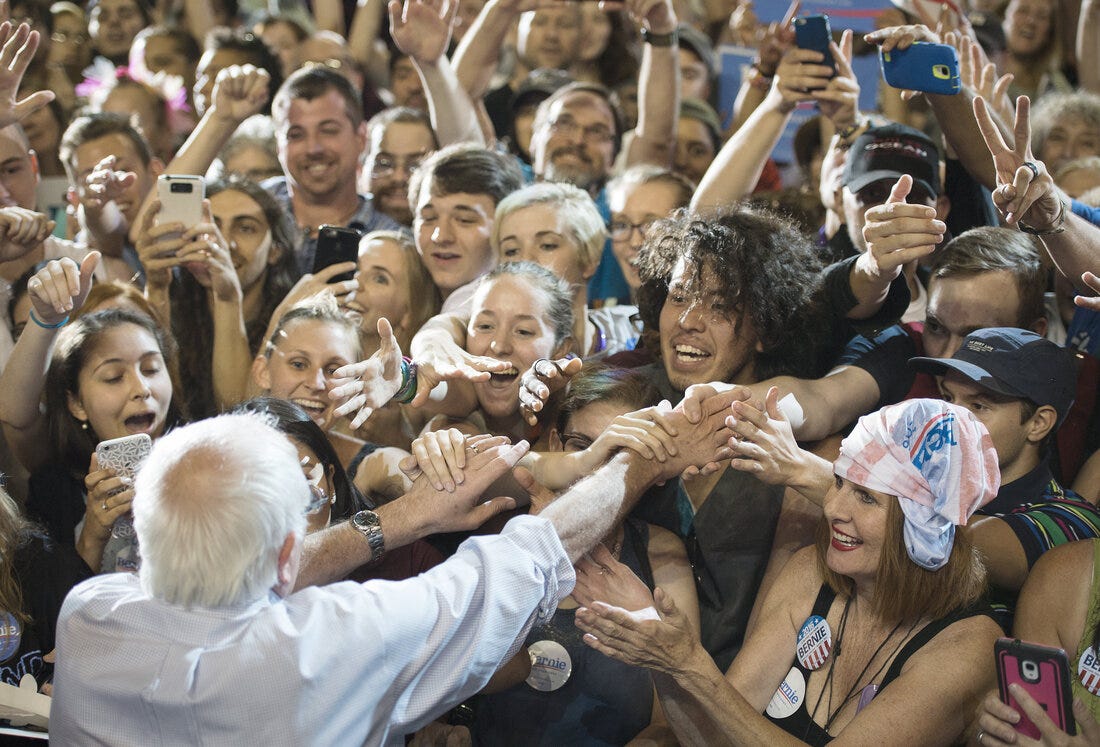
The next time a major crisis hits, will America ‘suck it up’, ‘fight through it’ or, like so many times in the past, turn toward the federal government for leadership, guidance and salvation?
I think we know the answer to that one.
‘…government is ourselves and not an alien power over us. The ultimate rulers of our democracy are not a President and senators and congressmen and government officials, but the voters of this country’.